




Adatechnologies loading animation
Chat on WhatsApp Let's Connect!

Native vs Cross-Platform App Development: Flutter, React Native, or Native Swift/Kotlin?

Native vs Cross-Platform App Development: Flutter, React Native, or Native Swift/Kotlin?

You have a great app idea. Your budget is set, your timeline is tight, and then comes the question every founder eventually faces: should you build a native app for each platform, or use a cross-platform framework and ship to iOS and Android together?

It sounds like a technical decision, but it is really a business one. Your approach affects your app's cost, time to market, performance, and ease of maintenance two years from now. Pick well, and you save time and money. Pick poorly, and you may end up rebuilding from scratch.

In this guide, we break down native vs. cross-platform app development in plain language, compare Flutter, React Native, and native Swift and Kotlin, and help you work out which path fits your business.
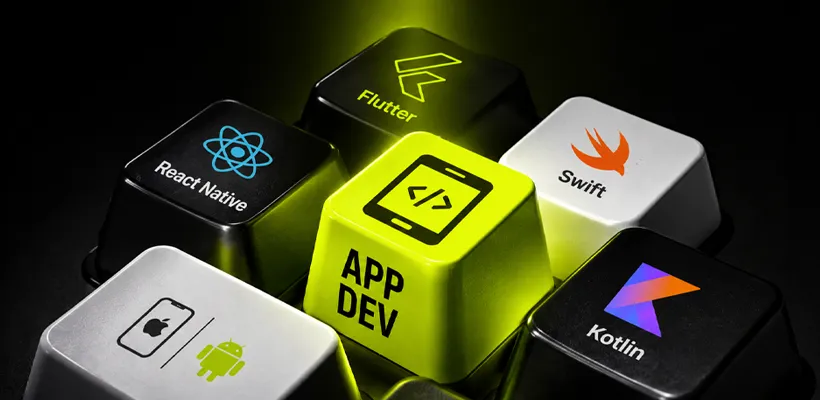
Native vs Cross-Platform App Development: Flutter, React Native, or Native Swift/Kotlin? gallery image

What Is Native App Development?

Native app development means building a separate app for each operating system using the languages and tools designed for it. For iPhones, that means Swift and Xcode. For Android, it means Kotlin and Android Studio.

Because each app is built specifically for its platform, native apps get full access to device features like the camera, sensors, biometrics, and notifications. They also follow each platform's design conventions, so they feel instantly familiar to users. This is why native apps are often seen as the gold standard for performance and polish.

The catch is that you are effectively building two apps. That usually means two codebases, two teams, and higher costs, which is the main trade-off in any discussion of native app development pros and cons.

What Is Cross-Platform App Development?

Cross-platform app development lets you write one codebase that runs on both iOS and Android. Instead of building everything twice, your team builds the app once, and the framework handles the translation to each platform.

The two most popular options are Flutter, created by Google and built on the Dart language, and React Native, created by Meta and built on JavaScript and TypeScript. Both have matured significantly. For many app types, a well-built cross-platform app is hard to tell apart from a native one.

The appeal is simple: a single codebase means faster development, lower cost, and easier updates. It is the main reason cross-platform app development services are so popular with startups and growing businesses.

Flutter vs React Native: How They Compare

When businesses choose cross-platform, the real question is usually Flutter vs React Native. Both are excellent, but they suit different situations.

Flutter draws its own interface rather than relying on the platform's built-in components. This gives developers pixel-level control, which makes it a strong fit for apps with custom designs, rich animations, and a consistent look across every device. Flutter vs React Native performance is often close in everyday use, though Flutter tends to shine when the interface is visually ambitious.

React Native uses real native interface components under the hood, so apps naturally feel at home on each platform. Its biggest advantage is practical rather than technical: because it uses JavaScript, it taps into a huge pool of developers who already know the language from web development. That makes hiring easier and onboarding faster, particularly if your team already builds with React.

A simple way to think about it: if your priority is a distinctive, custom interface, Flutter is a great candidate. If your priority is a large talent pool, a strong ecosystem, and sharing skills with a web team, React Native often wins. The answer to "is Flutter better than React Native" is genuinely "it depends on your project."

A Third Option Worth Knowing: Kotlin Multiplatform

The conversation is no longer just two frameworks. Kotlin Multiplatform has grown into a serious option, and it takes a different approach. Instead of sharing the entire app, it shares the business logic, such as data handling, rules, and networking, while keeping the interface fully native on each platform.

This works well for teams that want true native look and feel but do not want to write the same logic twice. It is particularly attractive for Android-first teams already comfortable with Kotlin. The trade-off is that you still build two interfaces, and the tooling and talent pool are newer than those of Flutter or React Native.

If you hear Swift vs Kotlin Multiplatform or Kotlin Multiplatform vs Flutter come up in planning, this is the core difference: Kotlin Multiplatform shares logic, while Flutter shares logic and interface.

Native vs Cross-Platform: Performance and User Experience

Performance is usually the first concern business owners raise, and it deserves a straight answer.

For most apps, including e-commerce, booking, content, social, and business tools, modern cross-platform frameworks perform well enough that users will not notice a difference. Native app performance vs cross-platform only becomes a meaningful gap in demanding situations, such as:

  • Graphics-heavy games or advanced 3D experiences
  • Apps that rely on heavy real-time processing, like video editing or augmented reality
  • Apps that need deep, early access to brand new platform features
  • Apps where every millisecond of responsiveness is a selling point

In those cases, native Swift and Kotlin still hold an edge. For everything else, the question is not "can cross-platform perform like native?" but "does the difference matter to my users?" Usually, it does not.

Cost of Native vs Cross-Platform App Development

For many businesses, cost is the deciding factor, so let's be direct about it. The cost of native vs cross-platform app development differs mainly because of how much work is duplicated.

With native, you pay to build, test, and maintain two separate apps. With cross-platform, a large share of the work is done once. Depending on the project, this can reduce development effort noticeably and shorten the time to launch. Maintenance is also simpler, since a bug fix or new feature is usually written once rather than twice.

Cross-platform is not free of extra costs, though. Some projects need platform-specific code for certain features, and complex apps can require specialist expertise. The savings are real, but they depend on the scope of your app and how closely it needs to match each platform.

When to Choose Native App Development

Native is still the right call in several situations. Consider it if:

  • Your app depends on advanced device features or cutting-edge platform capabilities
  • Performance is central to the product, as in gaming, AR, or intensive processing
  • You are targeting only one platform, such as an iPhone-only launch
  • You have a long-term roadmap and the budget to maintain two high-quality apps
  • You need the most polished, platform-specific experience possible

If these describe your project, investing in native app development services makes sense, and the extra cost buys you control and performance you will actually use.

When Cross-Platform Is the Smarter Choice

Cross-platform shines when speed, budget, and reach matter most. It is often the better fit if:

  • You are a startup validating an idea and need to launch quickly
  • You want to be on iOS and Android from day one
  • Your budget favors one team and one codebase over two
  • Your app is content-driven, transactional, or business-focused rather than graphics-heavy
  • You want faster updates and easier long-term maintenance

This is why native vs cross-platform app development for startups so often leans cross-platform. When you are still learning what your customers want, speed and flexibility are worth more than squeezing out the last bit of performance. Building a lean first version and improving it based on real feedback is a smart way to launch, and a cross-platform foundation supports that approach well.

Do You Even Need an App? A Quick Word on PWAs

Before committing to any approach, it is worth asking whether you need a full app at all. Progressive web apps, or PWAs, deliver app-like experiences through the browser and can be a cost-effective alternative for some businesses, especially when your main goal is reach and accessibility rather than deep device integration.

PWAs are not a replacement for every app, but they are worth considering if your needs are simple. A good development partner will tell you honestly whether a PWA, a cross-platform app, or a native build suits your goals, rather than pushing the most expensive option.

How to Choose Between Native and Cross-Platform

If you are still unsure, work through these questions:

  1. What does your app actually need to do? List the must-have features, especially anything that relies on device hardware.
  2. What is your timeline and budget? Tight on both usually points toward cross-platform.
  3. Who will build and maintain it? Consider the skills of your team or partner, and how easy it will be to hire later.
  4. How will it grow? Think about where the app should be in two to three years, not just at launch.
  5. What matters most to your users? A flawless custom experience, a familiar platform feel, or simply a reliable app that works.

The best answer comes from matching the technology to your goals, not the other way around.

Choosing the Right Path for Your App

There is no single winner in the native vs cross-platform debate. Native delivers maximum performance and platform polish. Cross-platform delivers speed, savings, and reach. Flutter, React Native, and Kotlin Multiplatform each offer a different balance, and the best option is the one that fits your product, your team, and your timeline.

If you are planning a mobile app and want honest advice on which approach makes sense, that is exactly where we can help. Our team will look at your goals, features, and budget, then recommend the right technology and build it properly. Reach out, and let's turn your idea into an app your customers will love.

FAQ's

What is the difference between native and cross-platform apps?
✕

A native app is built separately for each platform using its own language, such as Swift for iOS and Kotlin for Android. A cross-platform app uses a single codebase, built with frameworks like Flutter or React Native, that runs on both platforms.

Is Flutter better than React Native?
+
Which is cheaper, native or cross-platform?
+
Can cross-platform apps perform like native apps?
+
What framework should I use for my mobile app?
+

Leave a comment

Are you interested in learning more about our project?
We'd be delighted to share more details with you!

To discover more about our work or explore
our other brands, please feel free to reach out.

You can email us at [email protected]
or call us at AE : +971 54581 7111 , IN : +91 79942 17732
Our Blog

Read Latest News

Native vs Cross-Platform App Dev...
Admin author photo
Posted by
Admin
AI in Web Development: Tools Tha...
Admin author photo
Posted by
Admin